Explore:
Inequities in early childhood education and care (ECEC), formal education and youth training.
Test:
Novel solutions to known problems, collaborating with stakeholders.
Create:
Knowledge mobilization tools, including evidence-informed policy.
We draw on multidisciplinary insights from many fields, including economics, applied psychology and human development, and political science. We work with researchers across Canada and abroad to answer questions, develop interventions and mobilize information.
Featured Insight…

“It’s important to have windows so you can get sunlight”: Understanding children’s perceptions of quality in early childhood education and care settings
Across the globe young children are increasingly spending time in early childhood education and care (ECEC) settings. Exposure to ECEC settings is associated with positive developmental outcomes when they are of high quality. Quality rating and improvement systems...
Quantitative Analysis and Methods

Navigating Choppy Waters
As the pandemic continues to complicate revenue streams, online-only degree programs can provide a financial lifeline to higher education.

Social status hand-me-downs
Canada is known as one of the most socially mobile nations in the world. But our reports finds that gender, class, & parentage can still have strong influence on income growth.

Providing more flexible work options for women
Flexible work helps women achieve a more sustainable work-life balance, but they have less access to those options than men. Could the pandemic provide opportunities for a widespread shift?
Intervention Creation and Testing

Cultivating Young Minds
Creativity and self-directed learning (SDL) have been identified as two key skills that children need to develop for success in the 21st century. As such, developing such skills has become a priority. High quality early childhood education and care (ECEC) can play a pivotal role in supporting a myriad of children’s developmental outcomes.

Increasing engagement with online learning platforms for unemployed youth
Exposure to online learning platforms, such as LinkedIn Learning, Coursera, and EdX has been increasing. However, keeping people engaged once they sign up remains a significant barrier.

Navigating Technology in the classroom
A scoping review of technology use during peer collaboration in early educational settings. Early educational settings such as early childhood education and care and kindergarten (i.e. formal schooling) are important contexts to foster children’s peer collaboration, an important skill for the 21st century.
Designing Effective Policy Responses

Understanding 21st century skills needed in response to Industry 4.0
International policy agendas are increasingly focusing on the 21st century skills needed by future workers (otherwise called soft skills, digital skills or survival skills). This paper seeks to understand the structure of academic knowledge in this area, through is a bibliometric analysis of 2662 articles published by 6579 authors in the last twenty years.

Who gets to define 21st century skills?
Over the last two decades, consensus around what abilities people need to thrive in the global economy has coalesced around a set of core skills: creativity, collaboration, problem solving, ICT literacy, coding, and so on.
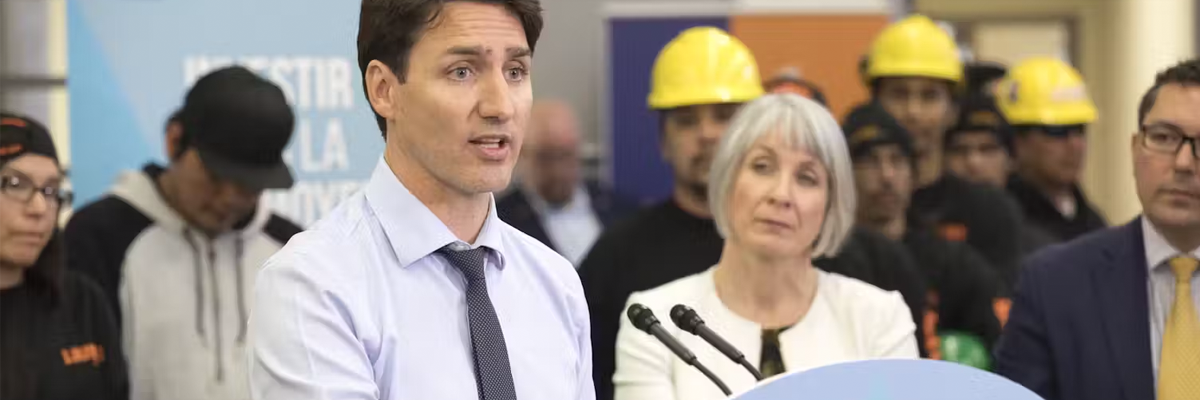
Canada’s skills training programs recommendations
Canada must prepare for the growing need to retrain workers displaced by disruptive technologies. To do so, governments must have a thorough sense of the effectiveness of current employment retraining programs.


Mailing Address
Department of Management
University of Toronto Scarborough
UTSC Instructional Centre
1095 Military Trail
Toronto, ON M1C 1A4